

Ready to return to your normal routine?

Are you tired of hip pain that is affecting your daily life? With the latest hip replacement technologies, we help you return to your normal movement quickly and with the shortest possible recovery period, under the supervision of a specialist doctor with high expertise.
عملية استبدال مفصل الورك

Let's get back to our normal routine!

If you have hip pain or difficulty moving, hip replacement surgery may be the right solution for you. We use the latest technologies to ensure the best results and a faster recovery.
عملية استبدال مفصل الورك

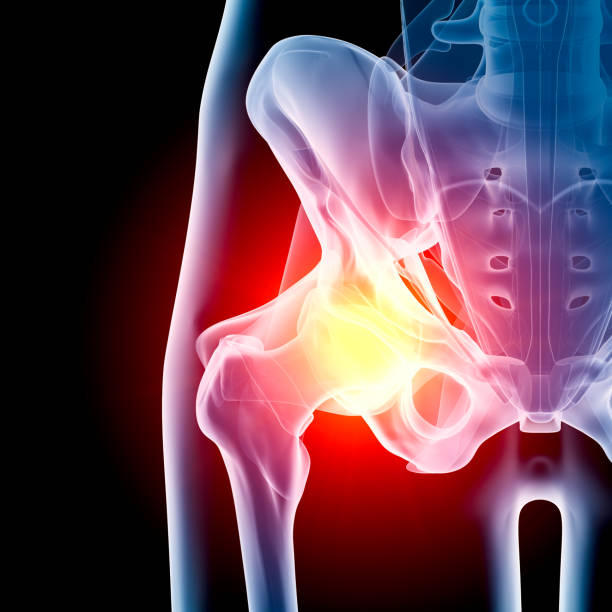
Why is surgery performed? And when is it needed?

The doctor resorts to surgery when non-surgical treatment methods such as medication and physical therapy are insufficient.

Severe Pain

If the pain persists despite medication or conservative treatment.

Advanced Osteoarthritis

Caused by aging or severe joint degeneration.

Difficulty Moving

When walking or normal movement becomes difficult.

Treatments Are No Longer Effective

If medications and physical therapy no longer provide relief.

Types of hip replacement surgery

Not all patients require the same type of surgery; the choice depends on the severity of the damage and the condition of the joint.

Partial Hip Replacement

In this procedure, only the damaged part of the joint is replaced, which is often the head of the femur, while preserving the remaining parts of the joint. It is commonly used in cases of fractures or certain special conditions.

Total Hip Replacement

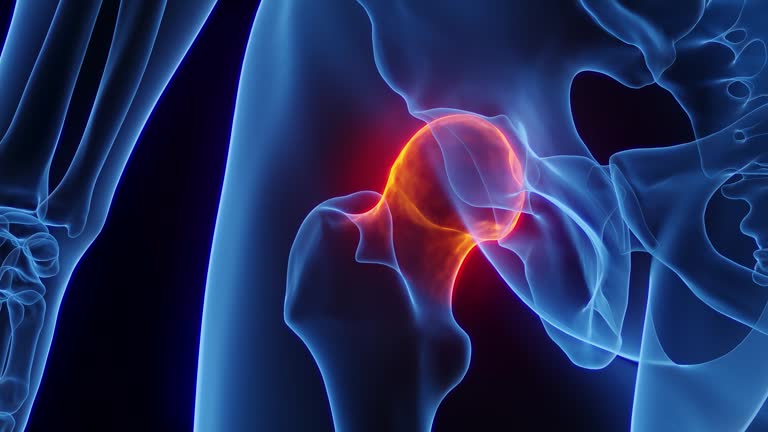
In this procedure, the entire hip joint — including the femoral head and the acetabulum — is removed and replaced with a modern artificial joint. It is commonly recommended for patients suffering from severe osteoarthritis or complete joint damage.

Get ready to return to your normal routine

The success of the operation begins with good preparation, which is why Dr. Mohammed will take several steps to ensure the patient is fully ready for the procedure.

Blood Tests and Imaging

Blood tests and imaging scans are performed to accurately evaluate the condition of the joint and determine the extent of the damage.

Reviewing Medical History

The patient’s medical history and current medications are carefully reviewed to ensure they are fully prepared for surgery.

Medication Adjustments and Fasting

The patient may be asked to stop certain medications or fast for several hours before the procedure.

during surgery

Advanced Anterior Approach Technique

Dr. Mohammed Al-Shouli performs hip replacement surgery using the advanced anterior approach, without cutting any muscles. This technique helps speed up recovery and significantly reduces pain. It is considered one of the latest techniques used worldwide and offers several advantages compared to the traditional posterior approach that was previously more common in the Middle East.

Step 1

Removing the Damaged Part

The damaged part of the hip joint is carefully removed to prepare the joint for the new implant.

Step 2

Preparing the Bones

The femur and pelvic bones are precisely prepared to ensure the new joint is fixed correctly and securely.

Step 3

Implanting the Artificial Joint

The artificial joint is securely placed in position to provide better performance, stability, and mobility.

Advantages of Using This Technique

The anterior approach technique, combined with the latest surgical technologies, provides better outcomes for patients and helps them return to their normal lives more quickly.

Faster Recovery

Patients are able to start moving and walking sooner, with a shorter recovery period that helps them return to daily life more quickly.

Less Pain After Surgery

Thanks to the muscle-sparing anterior approach, patients experience significantly less pain compared to traditional surgical methods.

Muscle Preservation

The anterior approach helps avoid cutting the muscles surrounding the joint, which improves stability and supports faster healing.

Greater Precision with Advanced Technology

The use of robotic-assisted surgery and advanced technologies helps position the artificial joint with a high level of accuracy.


image1
image1
دكتور جراحة عظام
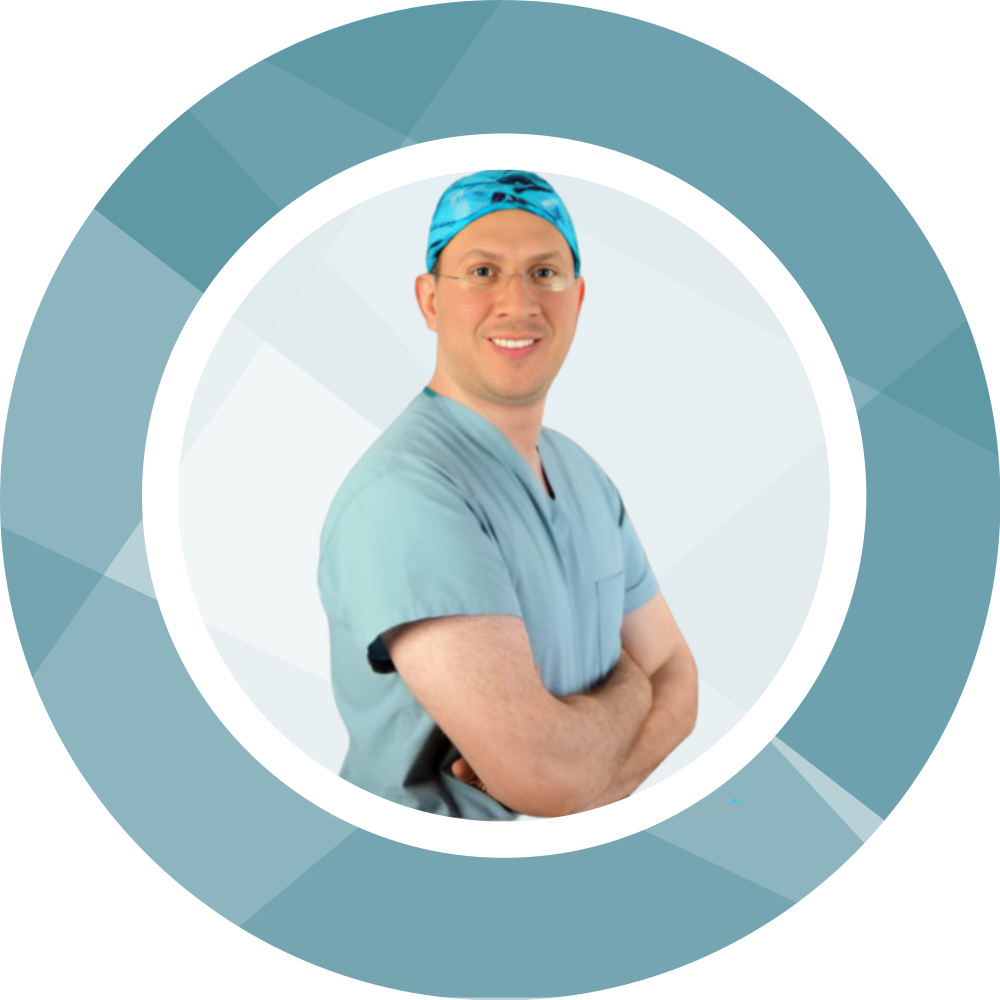
Dr.Alshouli

Dr. Mohammed Al-Shouli is a consultant orthopedic surgeon with extensive experience in treating knee and hip osteoarthritis, Charcot foot, flat feet, and high arches, achieving rapid recovery and comfortable healing. Dr. Mohammed is highly skilled in knee and hip replacement surgeries using the latest robotic surgical technology, ensuring exceptional precision, safe surgery, and a quick, pain-free recovery within the framework of same-day procedures.

Dr. Mohammed uses innovative techniques for local anesthesia and pain management, enabling patients to leave the hospital on the same day and quickly and efficiently resume their normal lives.

Success rate

Why Choose Dr. Al-Shouli?

One of the leading specialists in hip replacement surgery in Riyadh, Dr. Mohammed Al-Shouli is committed to using the latest surgical techniques to provide greater patient comfort and faster recovery, God willing.

Day Surgery

Patients can usually return home on the same day or the following day after surgery, depending on their condition.

Robotic-Assisted Surgery

We use the latest technologies and robotic-assisted techniques in hip replacement procedures to achieve greater precision, better outcomes, and faster recovery, God willing.

Anterior Hip Approach

This technique avoids cutting muscles, which helps reduce pain significantly and promotes faster recovery.

Minimal Pain

Many of our patients report experiencing very mild pain after surgery, by the grace of God.

FAQ

Frequently Asked Questions About Hip Replacement Surgery

How Long Does Hip Replacement Surgery Take?

The procedure usually takes between one to two hours, depending on the patient’s condition.

Is Hip Replacement Surgery Painful?

The surgery is performed under anesthesia, and post-operative pain is usually mild and can be effectively managed with medications.

When Can the Patient Walk After Surgery?

Most patients are able to stand and walk on the same day or the day after surgery, with assistance at first.

How Long Is the Recovery Period?

Recovery varies from person to person, but it generally takes around 4 to 6 weeks.

What Is the Success Rate of the Surgery?

Hip replacement surgery is considered highly successful, with success rates exceeding 90%.

Can the Body Reject the Artificial Joint?

This is very rare, as modern artificial joints are made from biocompatible materials designed to work safely within the body.

How Long Does the Artificial Joint Last?

An artificial joint can typically last between 15 to 20 years or even longer.

Does the Patient Need Physical Therapy After Surgery?

Yes. Physical therapy is very important and helps improve recovery and restore movement more effectively.

What Is the Difference Between the Anterior and Posterior Approaches?

The anterior approach avoids cutting muscles, which helps reduce pain and speed up recovery. The posterior approach may require cutting some muscles.

When Can the Patient Return to Work After Surgery?

Patients can usually return to work within 4 to 6 weeks, depending on the nature of their job.