

Flat foot Surgery

Get rid of flat foot pain and restore your natural balance. Dr. Mohamed Al-Shouli offers specialized surgical solutions to correct foot deformities and restore the medial arch using the latest technologies.
فلات فوت : الأسباب والعلاج

What is flat foot?

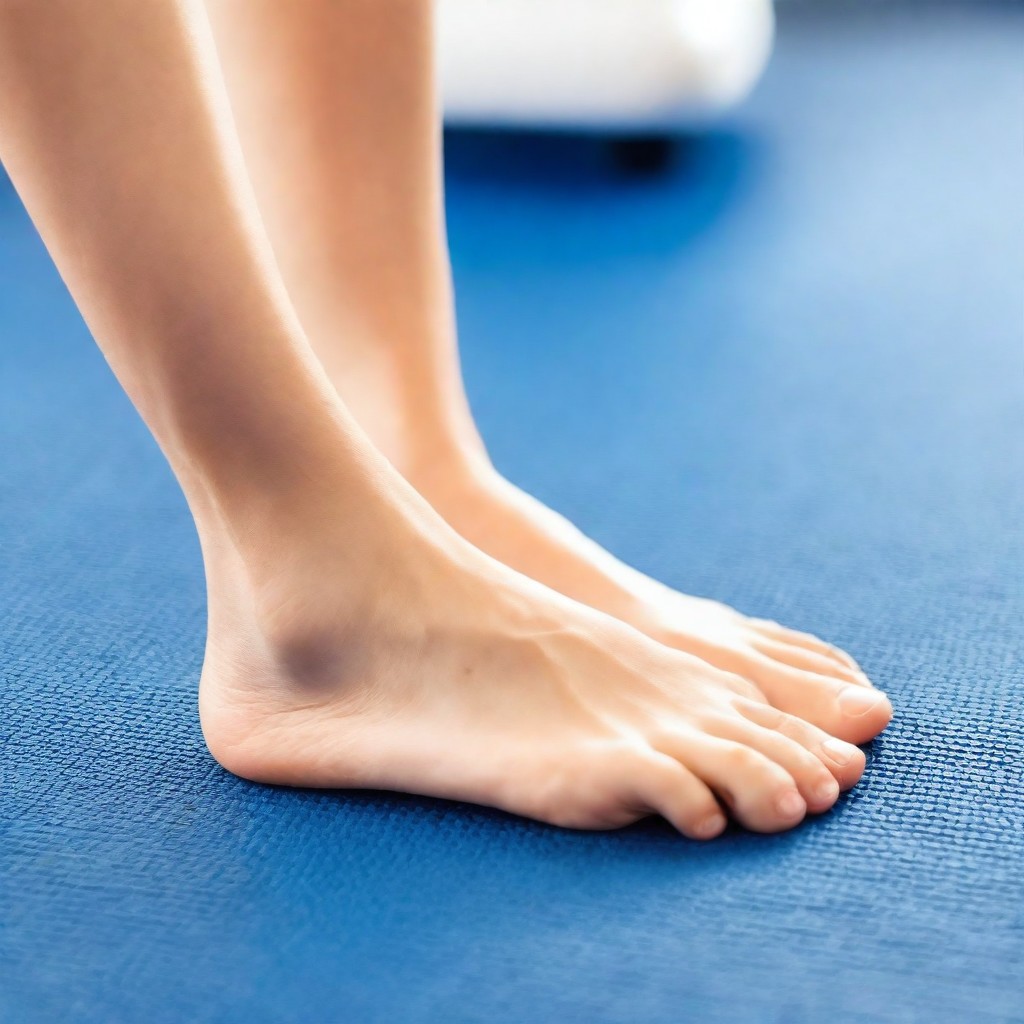
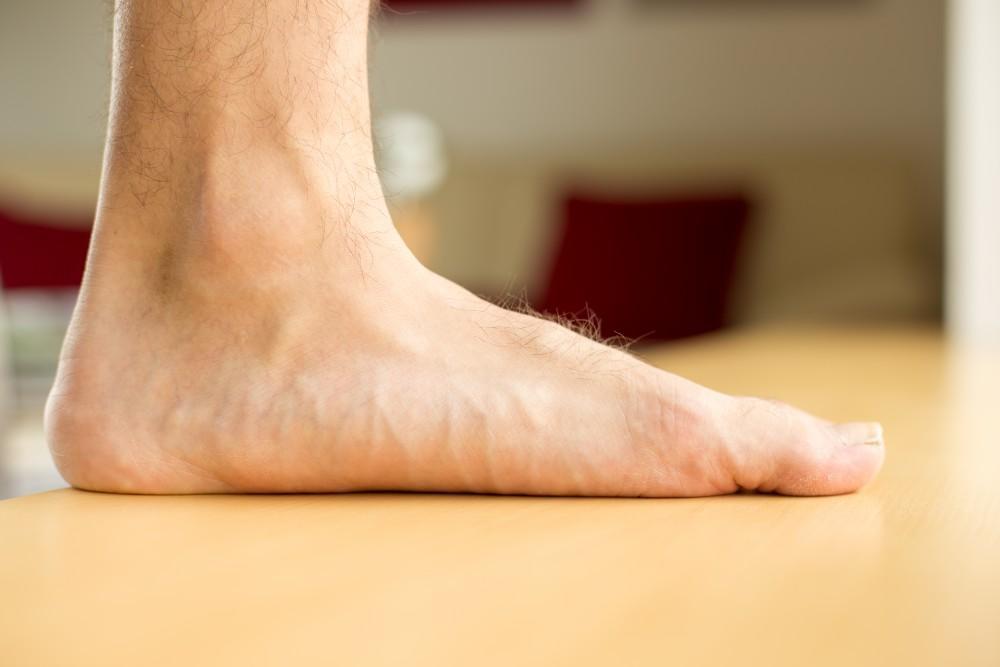
Flat feet are a condition where the arch of the foot is low or missing, causing the entire foot to touch the ground. Some people experience no symptoms, while others suffer from pain or fatigue, especially when standing or walking for long periods.
القدم المسطحة

When do you need to have the surgery?

You need it if..

Pain persists despite treatment

Pain persists despite non-surgical treatment for more than several months, such as orthopedic shoes or physical therapy.

Worsening deformity of the foot axis

The presence of an exacerbated deformity in the foot axis causes imbalance or difficulty in walking and daily movement.

Posterior tibial tendon rupture

A tear or weakness in the posterior tibial tendon, which is one of the most important tendons responsible for supporting the inner arch of the foot.

inelastic deformation

The foot fails to regain its normal shape when standing, meaning the condition is rigid, inflexible, and does not respond to conservative treatment.

Types of flat foot surgeries

The type of surgical procedure varies depending on the patient’s age, the cause of the deformity, and the joint’s flexibility. After examinations, Dr. Mohammed will determine the optimal surgical procedure based on your case.

Posterior tibial tendon reconstruction

To strengthen the inner arch when the tendon is torn or weak, it is one of the most common procedures for treating flat feet.

Cutting or modifying bone (Osteotomy)

To correct the foot axis and restore balance between the joints through highly precise surgical bone reshaping.

Joint fusion (arthrodesis)

In advanced cases with rigid deformity or advanced arthritis, the affected joints are fused to restore stability.

implanting braces under the ankle

In some cases, in children or adolescents, subtalar implants are inserted into the joint below the ankle to correct alignment.

Preparing for surgery

Preparation includes a series of steps to ensure the patient is ready for surgery and that the results are safe.

Accurate assessment and radiographic imaging

A thorough assessment is conducted, including clinical examination and X-rays or MRI scans, to determine the condition of the bones and tendons.

Stop taking blood-thinning medications

Stop taking blood-thinning medications a period of time before the operation, as determined by the treating physician, to ensure the safety of the procedure.

Discussion of the recovery plan

Discuss the recovery plan and follow-up clearly with the patient before the procedure to ensure the best results.

Steps of the process

The surgery is performed according to well-thought-out steps aimed at correcting the deformity and restoring the natural alignment of the foot.

step 1

Anesthesia

The procedure is performed under general or spinal anesthesia, depending on the anesthesiologist’s assessment and the patient’s condition.

step 2

tendon and bone reconstruction

The tendons are reconstructed or the position of the bones is adjusted according to the type and degree of deformity in order to restore normal alignment.

Step 3

التثبيت الدقيق

Precision fixation devices such as screws or plates are used to maintain the new position of the foot until the bone has fully healed.

Post-Surgery

Recovery after the operation is carried out in carefully planned stages to ensure the best results and restoration of normal movement.

Hospital stay

The patient usually stays in the hospital for one day for follow-up and to check on his condition after the operation.

Rest period

The foot is placed in a splint or cast, and weight-bearing is usually prohibited for about 6 weeks until the tissues heal.

Rehabilitation

A gradual rehabilitation program begins to mobilize the joint, strengthen the muscles, and restore normal walking.


image1
image1
دكتور جراحة عظام
Dr.Alshouli

Dr. Mohammed Al-Shouli is a consultant orthopedic surgeon with extensive experience in treating knee and hip osteoarthritis, Charcot foot, flat feet, and high arches, achieving rapid recovery and comfortable healing. Dr. Mohammed is highly skilled in knee and hip replacement surgeries using the latest robotic surgical technology, ensuring exceptional precision, safe surgery, and a quick, pain-free recovery within the framework of same-day procedures.

Dr. Mohammed uses innovative techniques for local anesthesia and pain management, enabling patients to leave the hospital on the same day and quickly and efficiently resume their normal lives.

Success rate

Why choose Dr. Al-Shouli?

The best doctor for flat foot surgery in Riyadh. We always strive to use the latest surgical techniques to provide patient comfort and faster recovery, God willing.

Day Surgery

The patient can return home on the same day or the day after the operation, depending on their condition.

Surgical Robot

We use the latest technologies and robotic-assisted surgery in knee replacement procedures to achieve the highest level of precision and better outcomes, with faster recovery, God willing.

Minimal Pain

Many of our patients report experiencing very mild pain after the operation, thanks to God.

faq

Most frequently asked questions by patients

Does Flat Foot Always Require Surgery?

No. Not every case of flat foot requires surgical intervention. Most mild cases, especially in children and adolescents, can be treated with physical therapy, medical insoles, or specially designed shoes for flat feet. Surgery is recommended only when there is significant pain or worsening deformity that affects walking.

How Long Does Flat Foot Treatment Take?

Conservative treatment usually lasts between 3 to 6 months, depending on the patient’s response. After surgery, patients typically need around 3 to 4 months to regain full walking ability, with slight variations depending on the type of procedure and tissue healing.

How Long Does the Surgery Take?

The duration of the surgery varies depending on the technique used and the severity of the deformity, but it generally takes between one to two hours.

Is Flat Foot Surgery Dangerous?

No. It is not considered a high-risk procedure when performed in a specialized center under the supervision of a foot and ankle orthopedic surgeon such as Dr. Mohammed Al-Shouli.

Are There Any Risks or Side Effects of the Surgery?

By the grace of God, the procedure is considered very safe.

When Can I Start Walking After Flat Foot Surgery?

Weight-bearing on the foot is usually restricted during the first 6 weeks after surgery. After that, patients gradually begin walking with the assistance of crutches or a medical boot, with full walking recovery typically achieved within 8 to 12 weeks, depending on bone healing and the type of procedure.

What Is the Success Rate of the Surgery?

The success rate exceeds 98%, by the grace of God.

Is the Procedure Different for Adults and Children?

Yes. In children and adolescents, surgery often focuses on correcting alignment and supporting normal foot growth (such as implant insertion). In adults, the procedure aims to reconstruct tendons and bones and correct permanent structural deformities.